A walk from the eligibility date to the three votes that decide a Texas parole case, and an honest count of what each step costs in time and money.
A family in Fort Worth marked a date on the kitchen calendar four years before it arrived, because the sentence paperwork gave a parole eligibility date and nobody had told them what that date meant. Their relative was serving twenty-five years on an aggravated offense, which in Texas means calendar time only, no good conduct credit toward eligibility, and a first review that lands about halfway through the term. The date came. Nothing happened for another two months, and when something finally did happen it was a fifteen minute interview in a unit office. That interview, and the file built around it, is the case.
The eligibility date tells you when, not whether
Eligibility in Texas is arithmetic, not judgment. For most non-aggravated sentences the calculation adds calendar time served to accrued good conduct time and looks for the point where that total reaches a quarter of the sentence, with a floor of two years. For offenses carrying the aggravated finding, good conduct time does not count toward eligibility at all, and the inmate serves half the sentence flat before the file moves. The date produced by that formula is a door opening onto a review, not a presumption of release, and families who treat it as a release date spend the intervening years preparing for the wrong event.
The practical consequence is that the first realistic question is not when eligibility arrives but what the file will look like when it does. Disciplinary cases, refused programming, an unaddressed sex offender treatment requirement, a custody classification that never improved: all of that is written down long before anyone votes, and most of it is fixable while there is still time. The gap between the statutory date and any credible expectation of release is where the work sits, and it is measured in years, not weeks.
The interview, and the summary nobody in the family ever sees
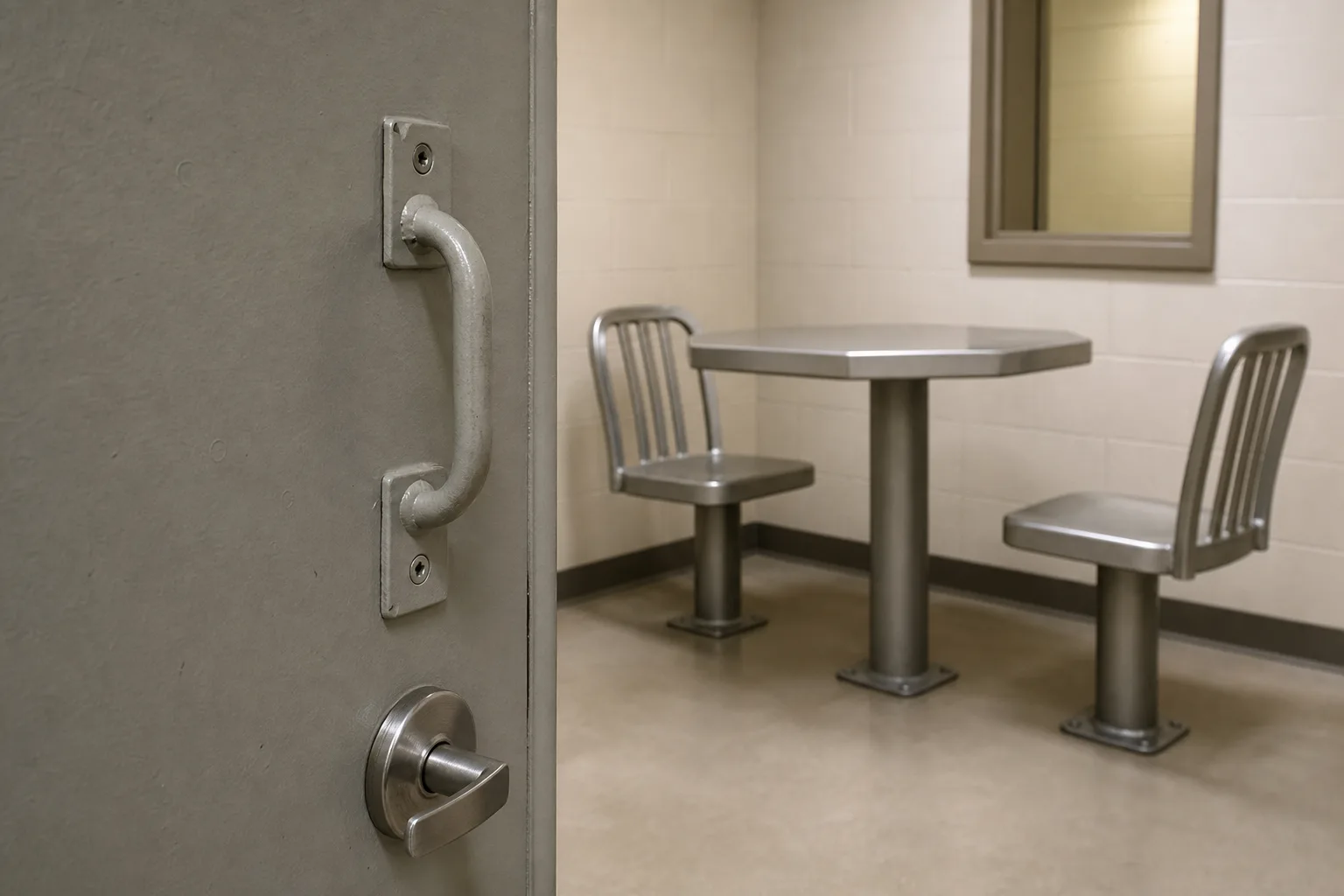
An institutional parole officer conducts the interview inside the unit, usually a few months ahead of the review month. It is short. The officer is not deciding anything and is not there to be persuaded; the officer is building a record, confirming the release plan, noting the proposed residence and the county of supervision, checking programming status, and asking the inmate to account for the offense. Everything gathered there goes into a case summary, and the summary is what the voting panel reads. It travels with the judgment and sentence, the offense report, the prosecutor's file where one was provided, the disciplinary record, and any protest letters from victims or law enforcement.
Almost nothing the family has been told about the case reaches the panel automatically. A job offer, a bed at a relative's house in a county the board will approve, letters from an employer, a certificate from a trade program, medical records that bear on risk: these arrive only if somebody submits them to the correct board office within the review window. The summary itself is not shared with the family, which is why guessing at its contents is a poor use of the year before the vote and why obtaining what can be obtained is the sensible first move.
Three votes, cast in three separate offices
The Texas Board of Pardons and Paroles works in regional offices spread across the state, and a routine case is decided by a panel of three: one board member and two parole commissioners. They do not sit together in a room. The file circulates, each voter marks a ballot, and two agreeing votes decide the matter. Certain categories, including cases involving serious violent offenses and clemency matters, require a wider vote. The mechanics matter because they explain why a case is won on paper. The panel members will very likely never see the inmate, and they will read the summary rather than hear from anyone in person.
Approval is not a single thing. The board records its decision as one of a set of codes, ranging from release when eligible, to release only after completion of a specified program such as a substance abuse felony punishment facility or the pre-release therapeutic community, which can add six months to a year inside. A denial carries a set-off, and the length is set by the panel: a year is common, and for some aggravated categories the next review can be pushed out as far as five years. The Bureau of Justice Statistics is the federal body that tracks correctional and community supervision populations nationally, which is where the shape of these systems gets documented.
What the decision costs, counted honestly
Price the outcome before pricing the help. A twelve month set-off on a case where the family had a job offer and a residence but never filed them costs a year of a person's life, a year of wages, and another year of the family's travel to a unit several hours away. A three year set-off costs three of each. Against that, retained counsel who prepare and submit a parole packet generally charge a flat fee for the review cycle, and the honest way to evaluate the number is to ask what specifically will be filed, with which board office, and by what date. Firms working these cases, including established Parole Lawyers in Texas, should be able to answer all three without hesitation.
The second cost is timing, and it is the one families lose most often. Packets are useless after the vote. Interview preparation is useless after the interview. A lawyer engaged nine months out can address a pending disciplinary case, get a program completed, verify the release address with the receiving county, and have supporting letters in the file before the summary closes. The same lawyer engaged three weeks out is writing a reconsideration request. Both are legitimate services; they are not the same purchase, and they do not carry the same odds.
The eligibility date is the least informative number in the whole file. What decides the case is the summary sitting in front of three people who will never meet the person it describes, and everything a family can do runs through that document, in the months before it is finished.